

Symposium: Advances in Biotechnology and Environmental Engineering for Sustainable Societies
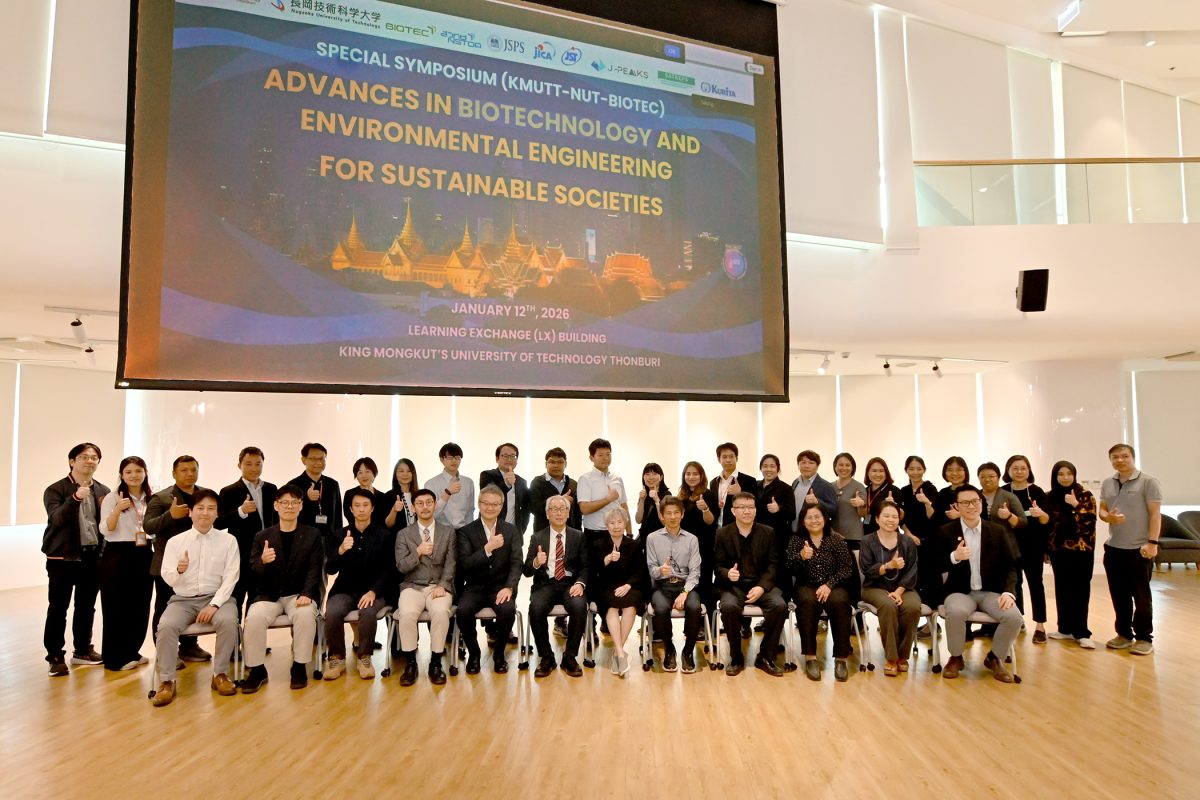
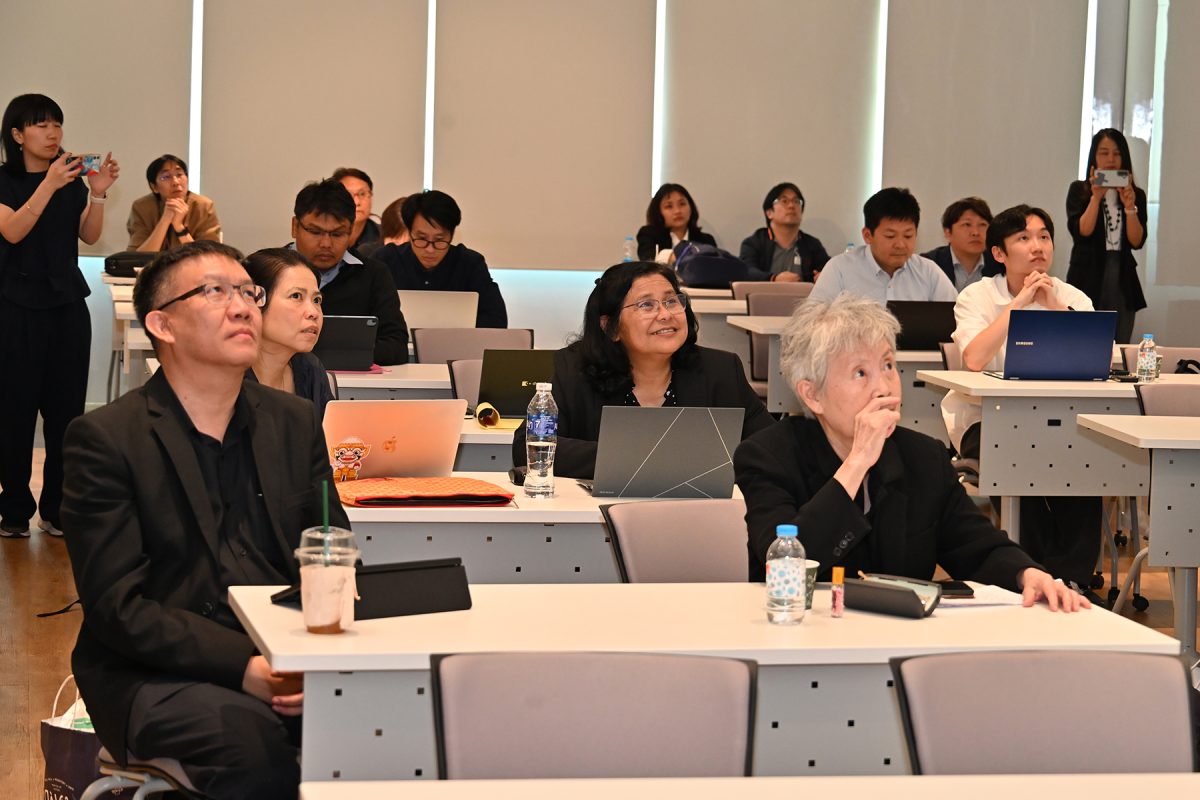
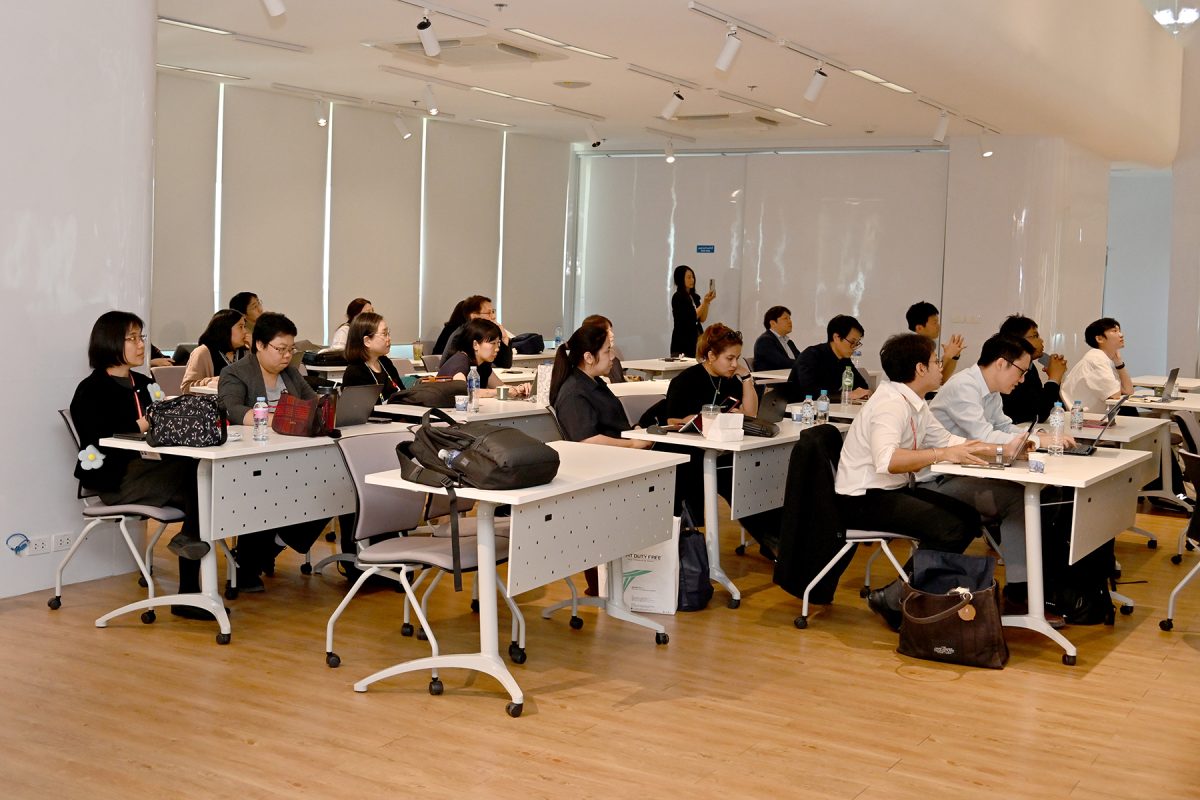
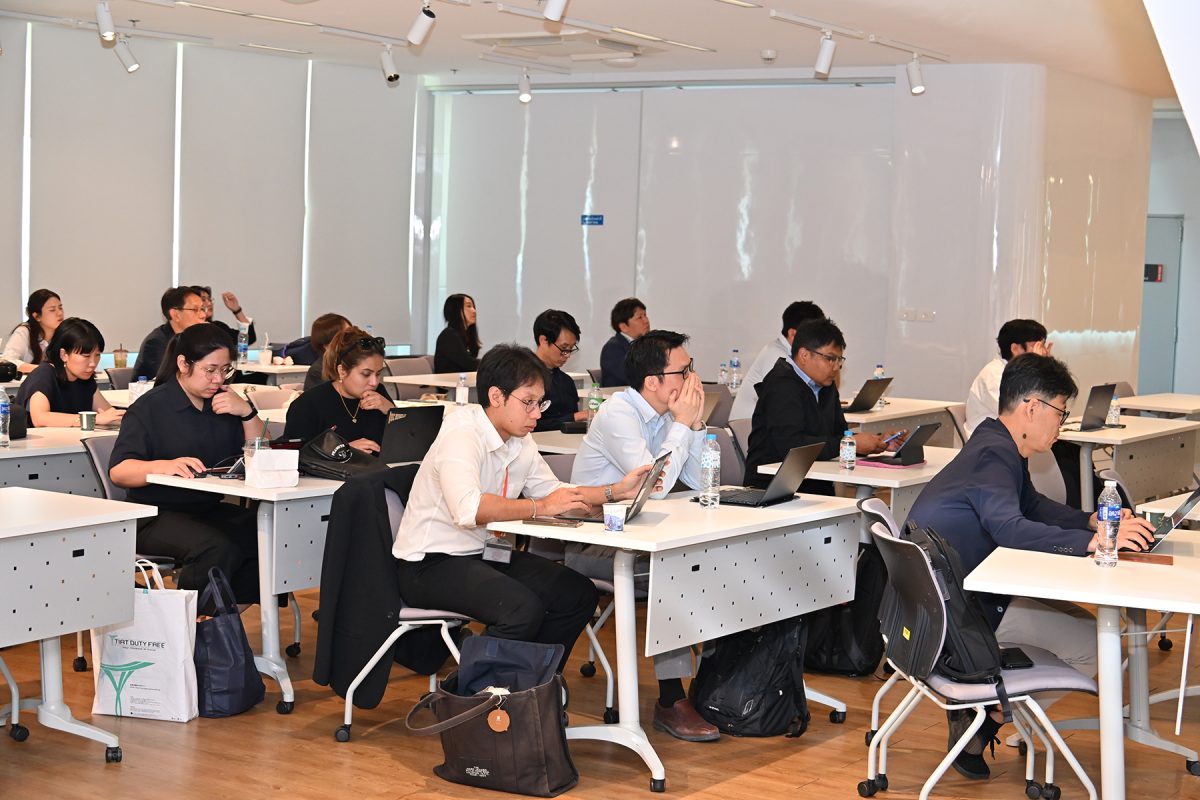
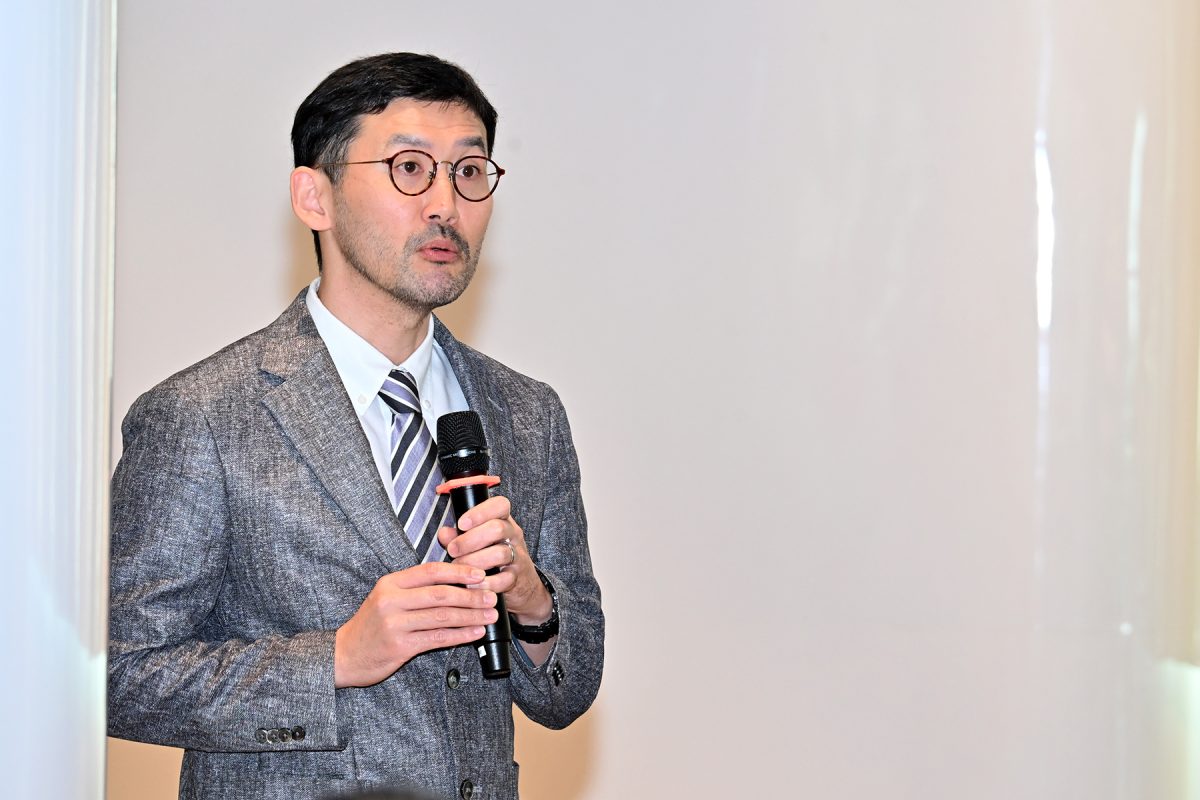
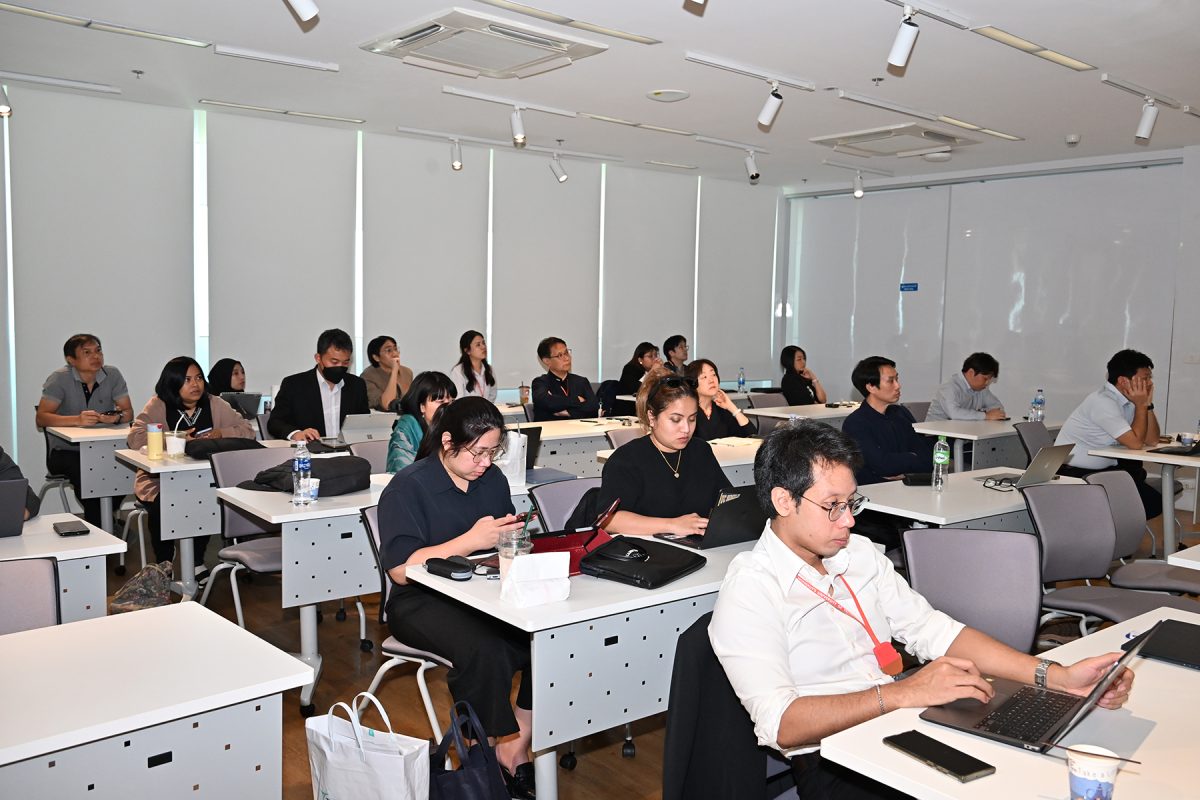
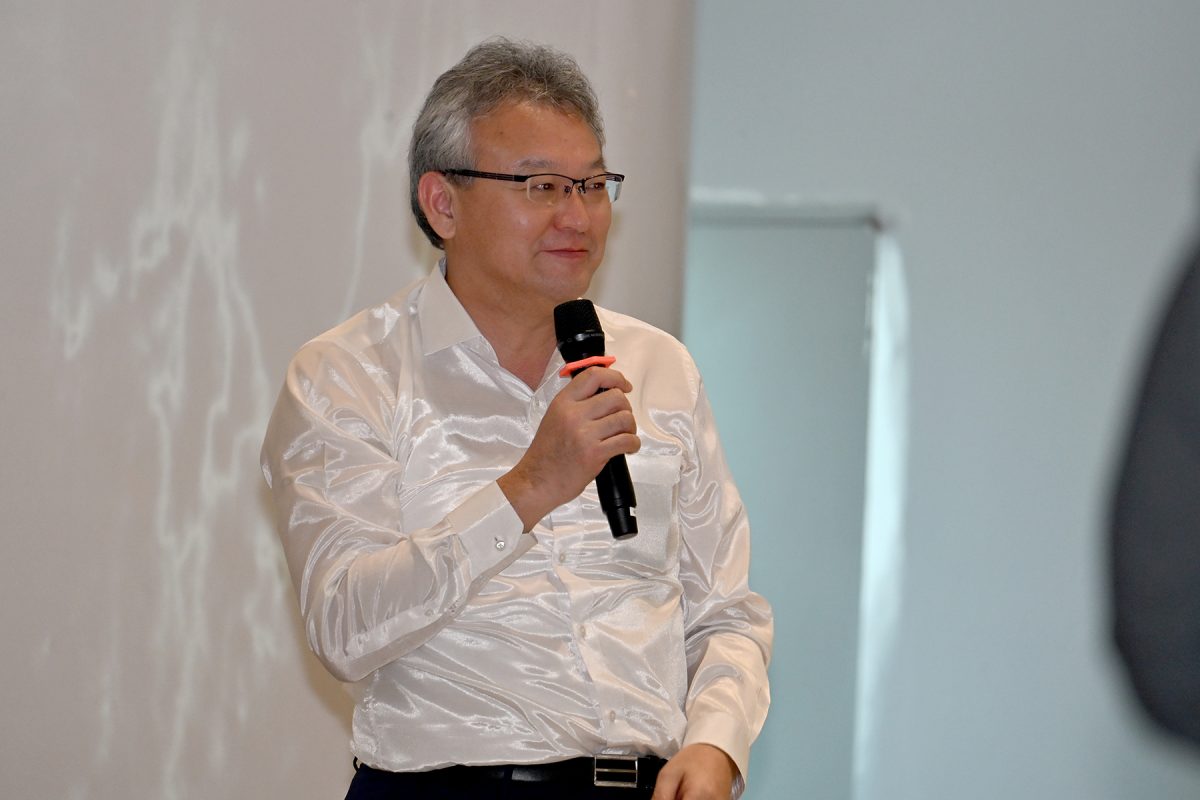
On 12 January 2026, King Mongkut’s University of Technology Thonburi (KMUTT), Nagaoka University of Technology, and BIOTEC proudly host an international hybrid symposium bringing together distinguished experts from Thailand, Japan, and South Korea to share advances in biotechnology and environmental engineering for sustainable societies.
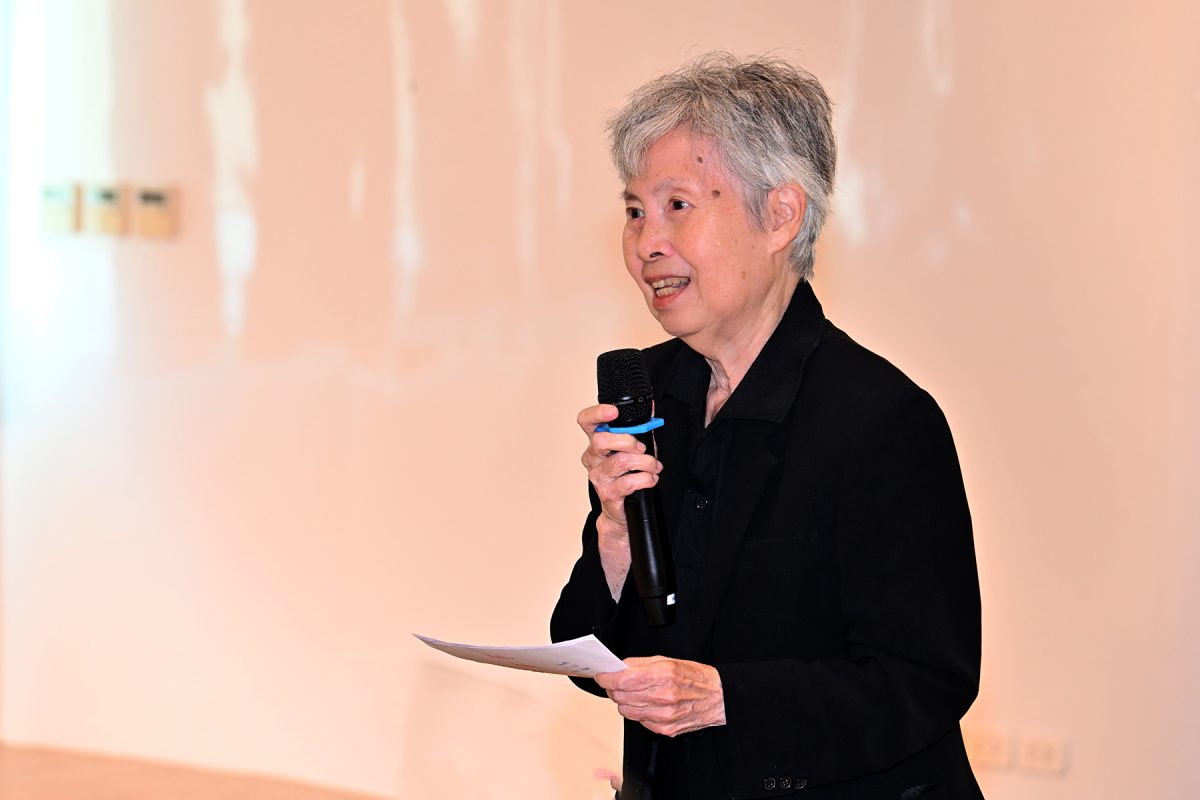
The symposium opens with a welcome address by Prof. Dr. Morakot Tanticharoen (KMUTT, Thailand), followed by Prof. Dr. Masao Fukuda (Nagaoka University of Technology, Japan), who presents insights into bioremediation activities and regulatory frameworks in Japan.
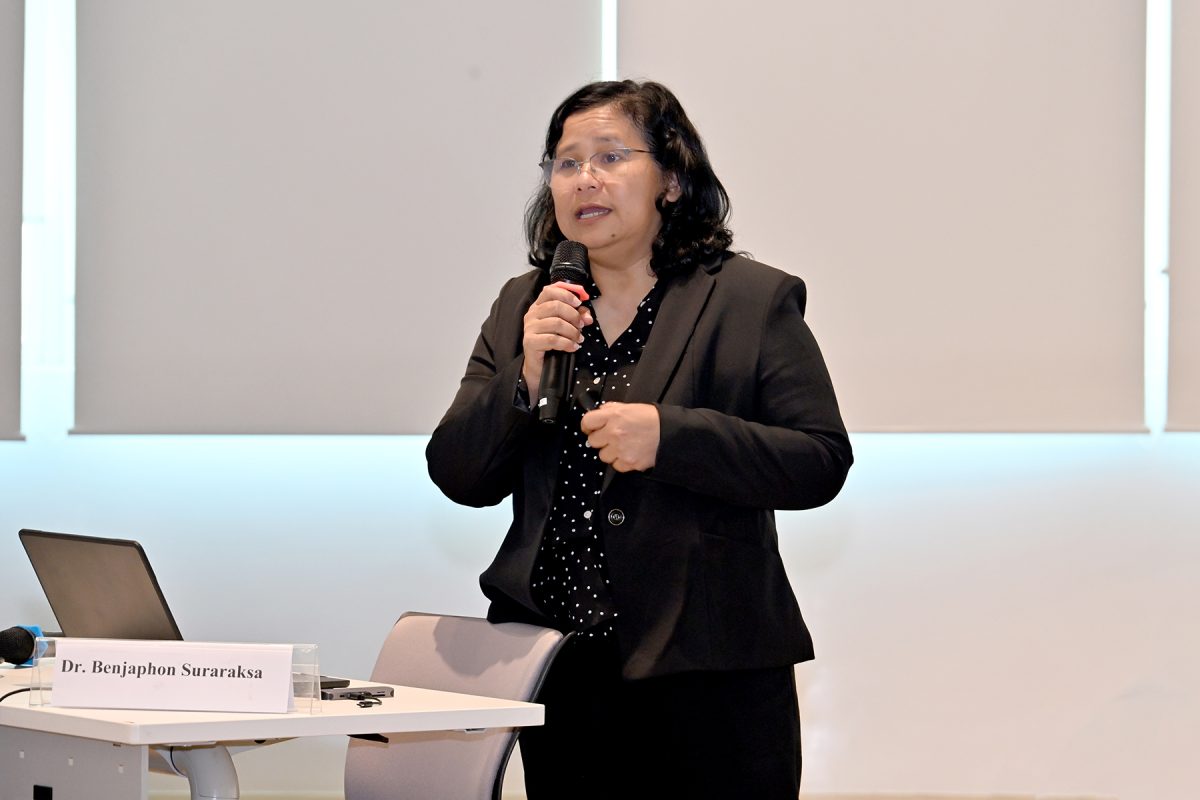
Dr. Benjaphon Suraraksa (BIOTEC, Thailand) then discusses the establishment of syntrophic methanogenic consortia in full-scale biogas plants, followed by Assoc. Prof. Dr. Mamoru Oshiki (Hokkaido University, Japan) on horizontal and vertical gene transfer of antibiotic resistance genes in activated sludge.
The first session concludes with Prof. Dr. Tawan Limpiyakorn (Chulalongkorn University, Thailand), highlighting the role of ammonia-oxidizing microorganisms in wastewater treatment systems.
After the tea break, the afternoon session continues with Prof. Dr. Chansong Lee (UNIST, South Korea), who rethinks anaerobic digestion through the concept of Direct Interspecies Electron Transfer (DIET).
This is followed by Assoc. Prof. Dr. Masashi Hatamoto (Nagaoka University of Technology, Japan) on enhancing anaerobic digestion performance using conductive composite microbial carriers, and Assoc. Prof. Dr. Akira Hafuka (Hokkaido University, Japan) on the application of membrane technologies in anaerobic digestion.
The final technical presentation is delivered by Assoc. Prof. Dr. Songkeart Phattarapattawamong (KMUTT, Thailand), focusing on improving methane production and landfill leachate treatability through biocarrier integration in UASB reactors.
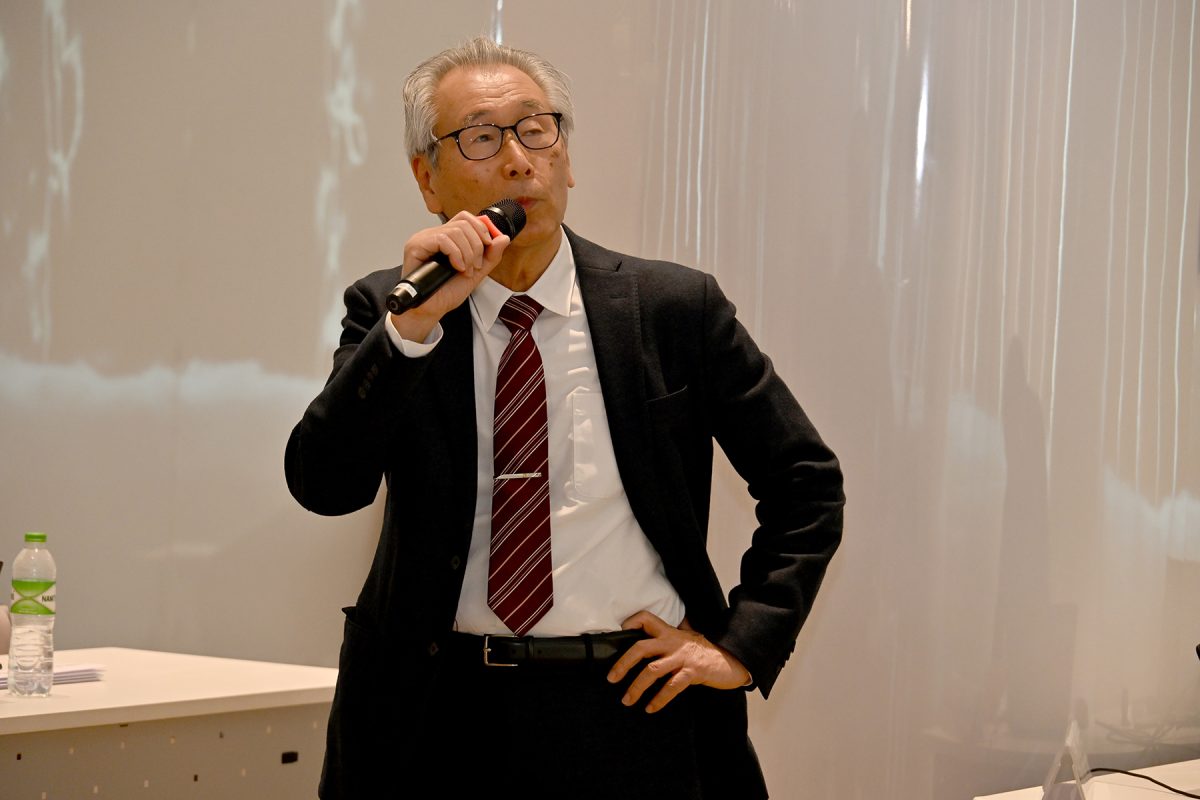
The symposium concludes with a closing remark by Prof. Dr. Takashi Yamaguchi (Nagaoka University of Technology, Japan), emphasizing the importance of international collaboration and microbial biotechnology in addressing global environmental challenges. This symposium serves as a dynamic platform for knowledge exchange, cross-border collaboration, and innovation toward sustainable environmental solutions.
Venue: Learning Exchange (LX) Building, KMUTT Bangmod Campus, Bangkok
Time: 13:00–17:00 | Hybrid Seminar