Essential oils are high-value extracts from flowers and herbs, widely used in health, cosmetic, and pharmaceutical applications. According to the International Market Analysis Research and Consulting Group, the global essential oil market was valued at $12.2 billion in 2023 and is projected to reach $24.5 billion by 2032. In Thailand, the essential oil market grew to over THB 3 billion in 2022 (positioningmag.com).
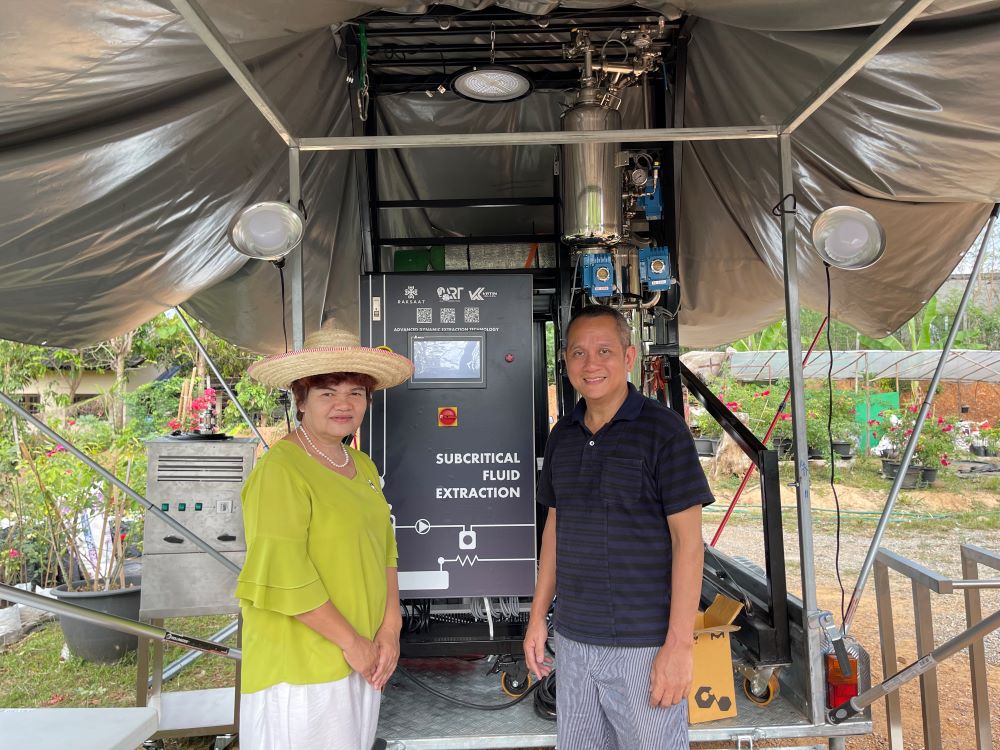
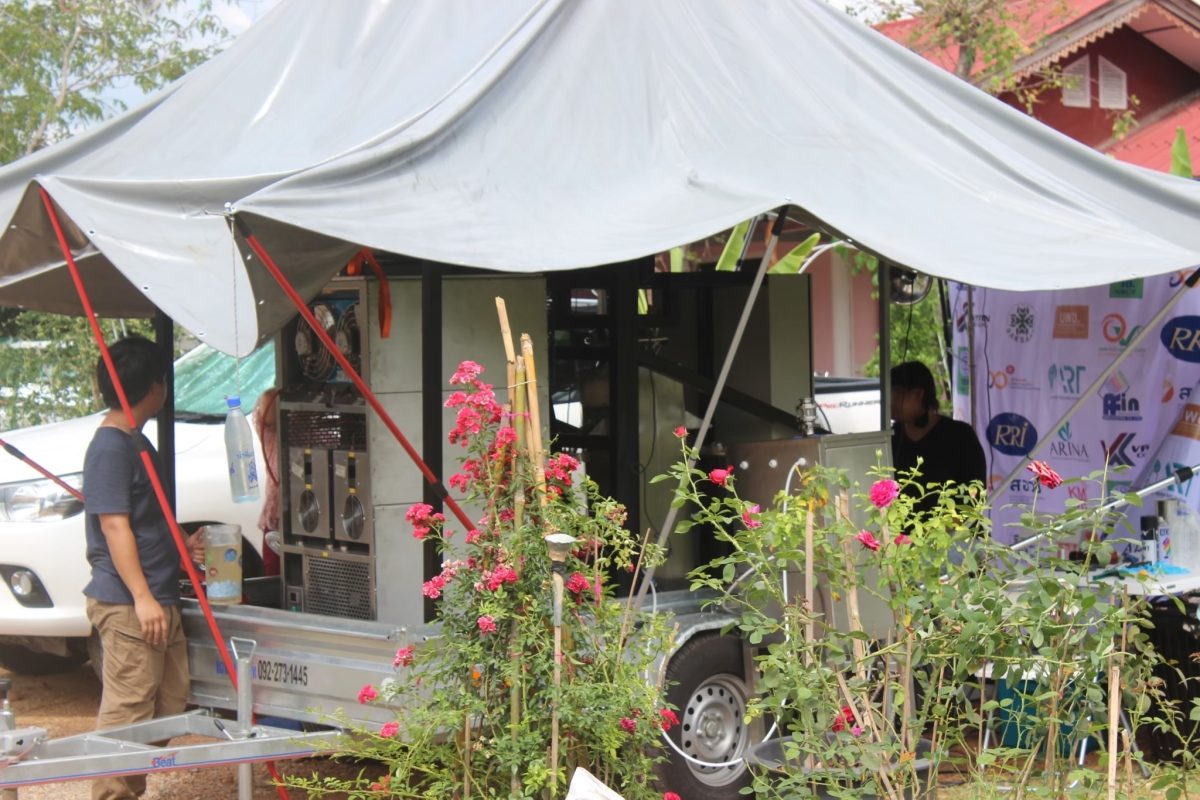
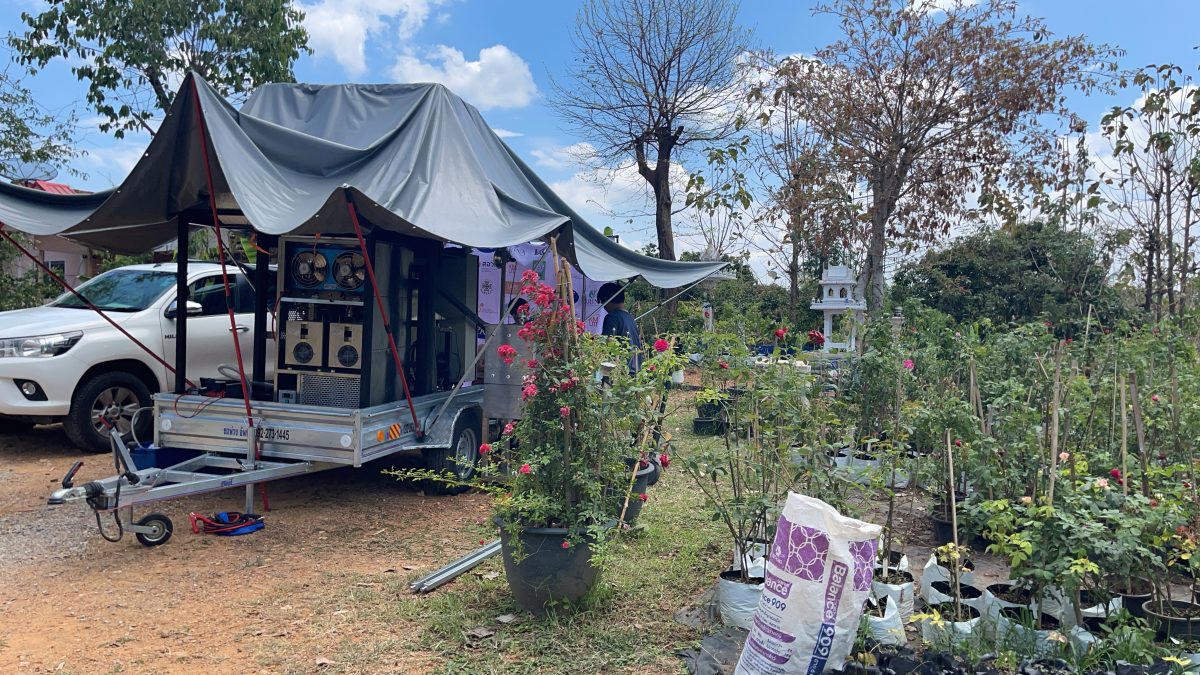
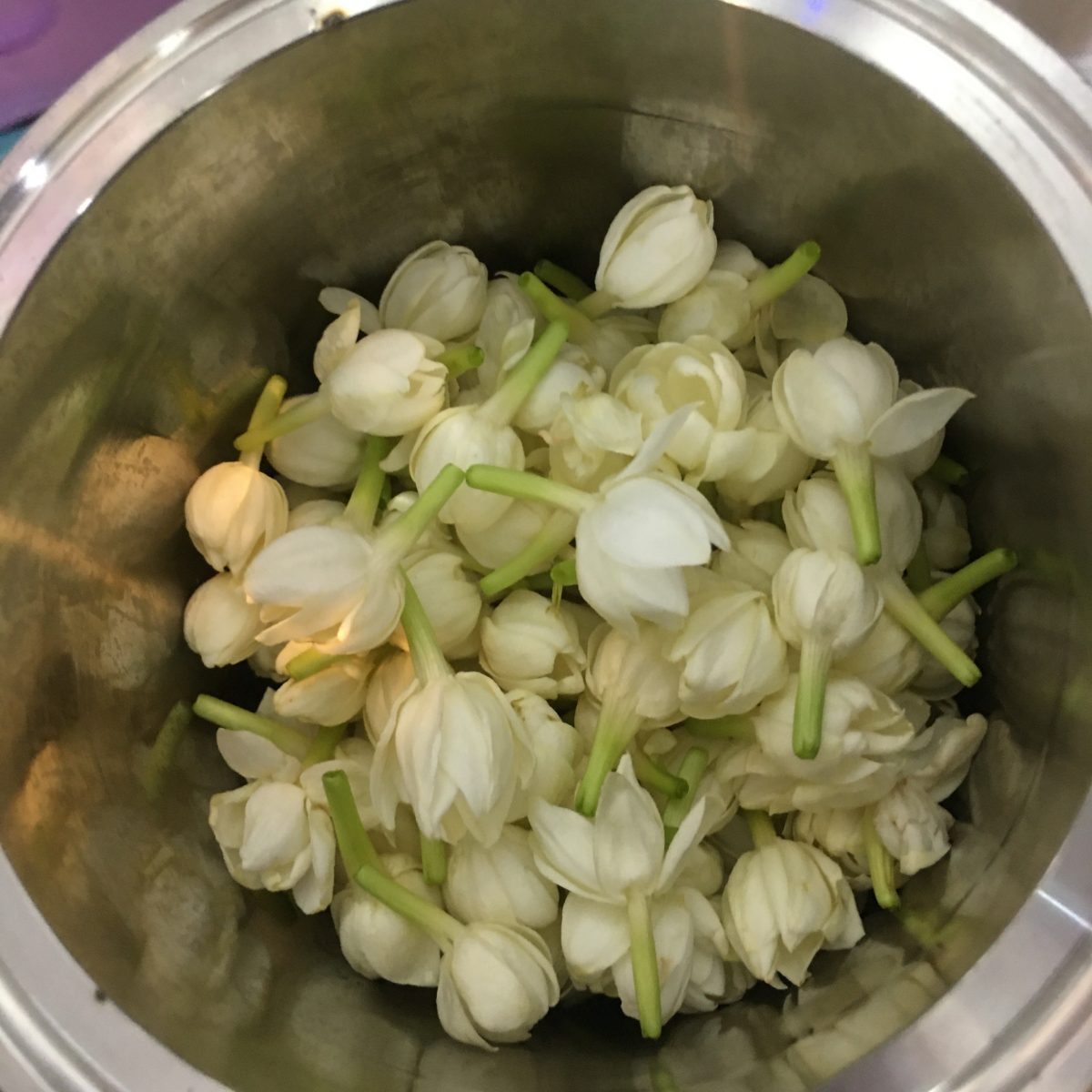
This massive market size and Thailand’s abundant natural resources which include over 20,000 species of flowering and herbal plants inspired a research team from the Department of Food Engineering to develop a mobile subcritical solvent extractor. This innovative device is designed to produce high-value terpenes and essential oils from medicinal plants and fragrant flowers, targeting the high-quality Thai traditional medicine and cosmeceutical industries. The research team includes Assist. Prof. Dr. Aluck Thipayarat, Assist. Prof. Dr. Jakrapop Wongwiwat, Dr. Pattarin Supanivatin, and Tanabordee Meelarp.

From left to right: Tanabordee Meelarp, Assist. Prof. Dr. Aluck Thipayarat, Assist. Prof. Dr. Jakrapop Wongwiwat, and Dr. Pattarin Supanivatin
This mobile terpene and essential oil extractor operates as a closed-loop system, using liquefied gas at a low temperature of -20 degrees Celsius as a solvent. The closed-loop system allows the solvent to be reused. This extraction method offers several advantages over other techniques such as steam distillation and organic solvent extraction, including better yields, higher purity and the ability to preserve the extract’s properties.
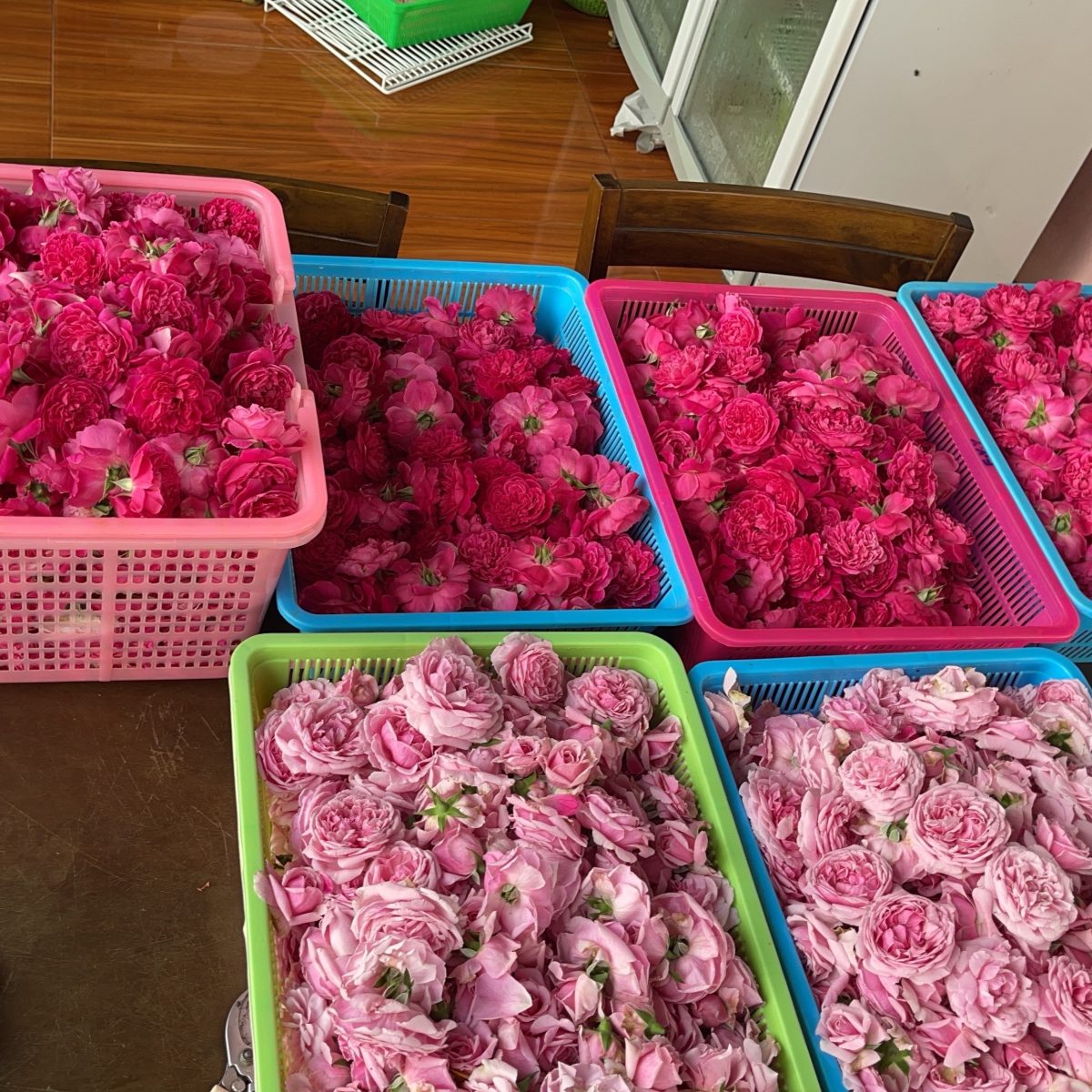
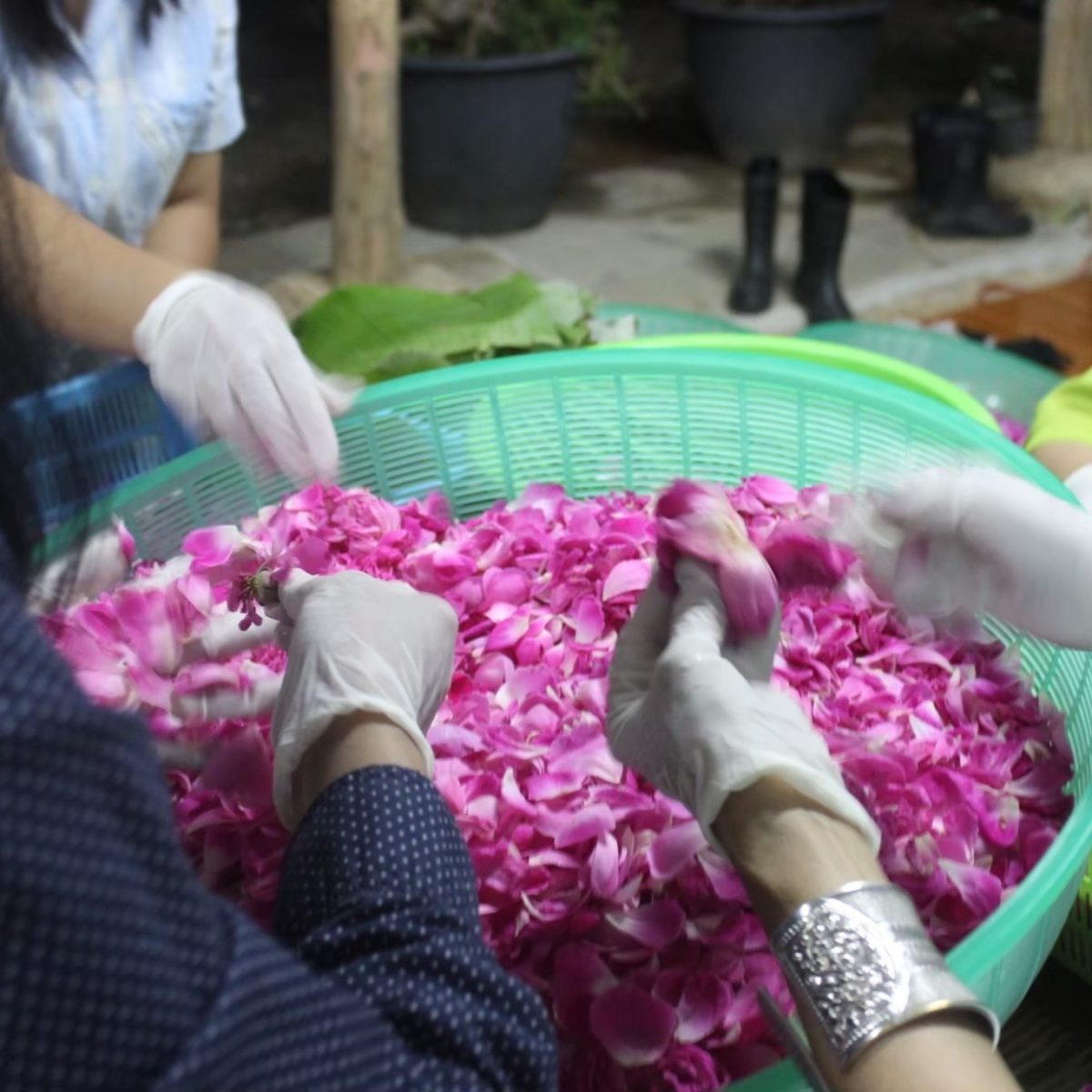
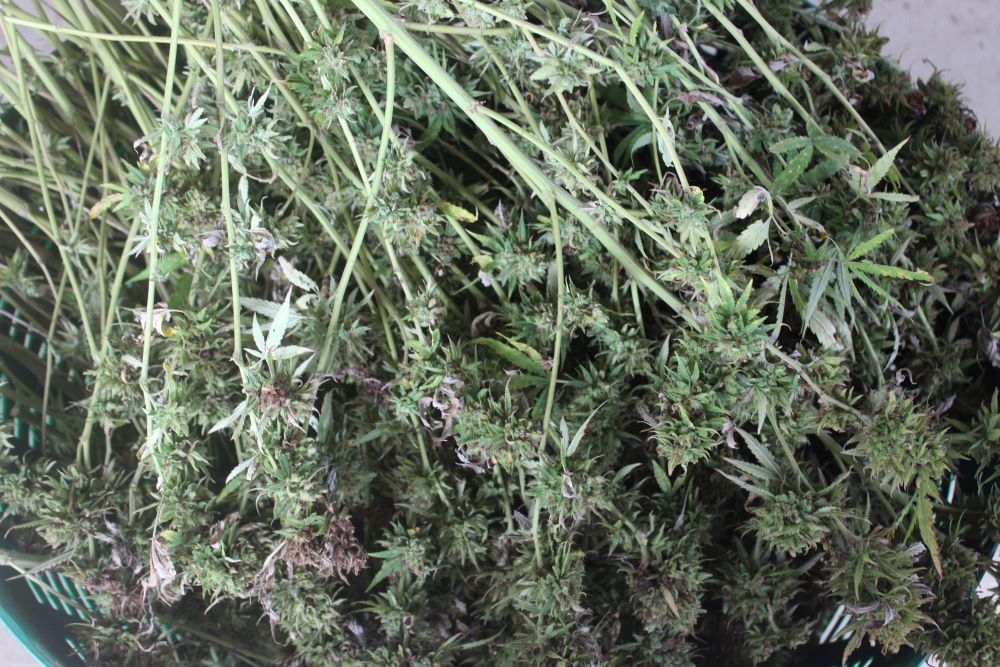
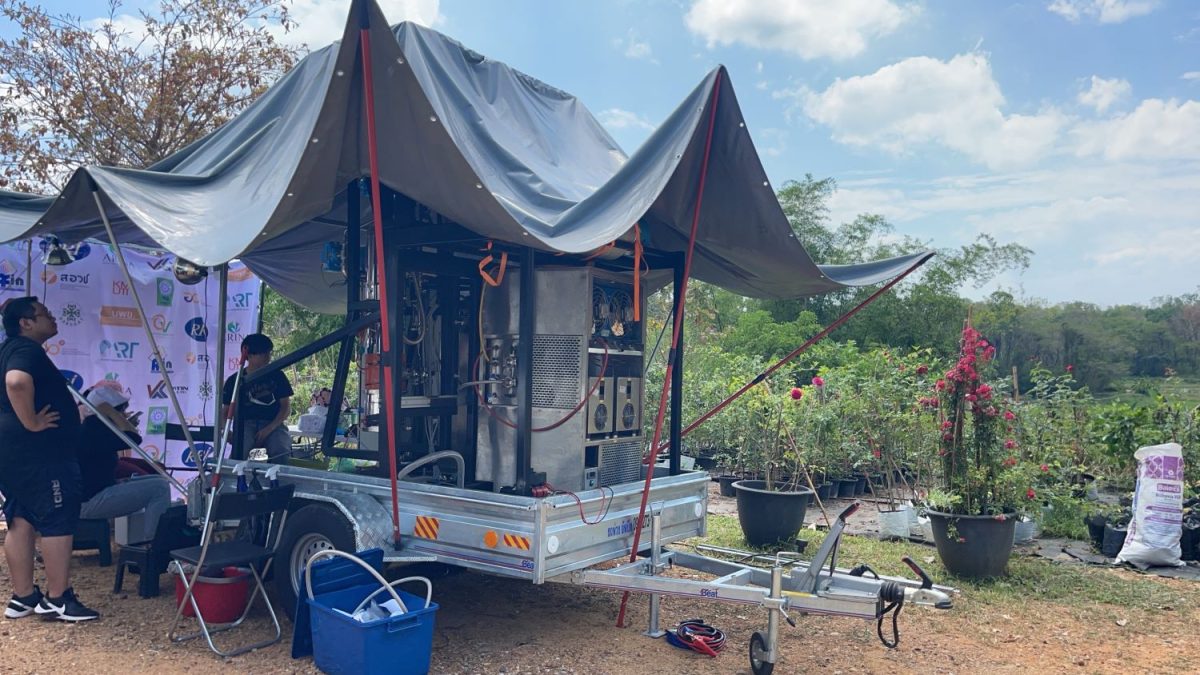
The mobile unit was used to extract mitragynine from Kratom (Mitragyna speciosa Korth.). Like morphine, mitragynine has analgesic effects and is priced at THB 5 million per kilogram. The mobile extractor provided a much higher yield than conventional extraction methods. Traditionally, Kratom leaves are dried at 80 degrees Celsius, processed into powder, and then extracted, yielding about 1-2%. With the mobile extractor, fresh leaves are used, resulting in a 43% yield after a 10-hour extraction. This method not only improves yield but also preserves other bioactive compounds such as alkaloids and flavonoids better than traditional techniques.
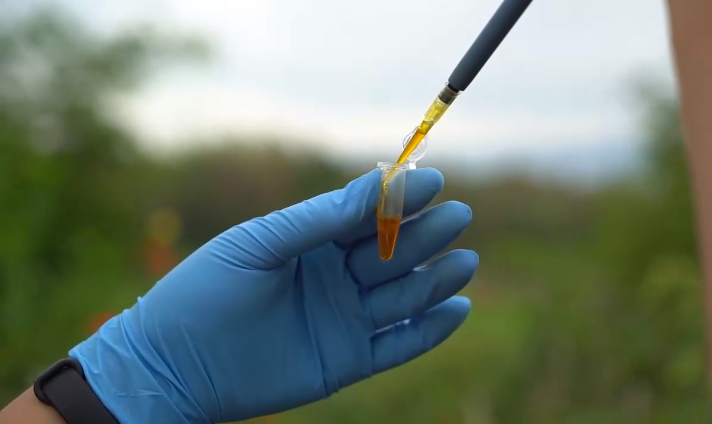
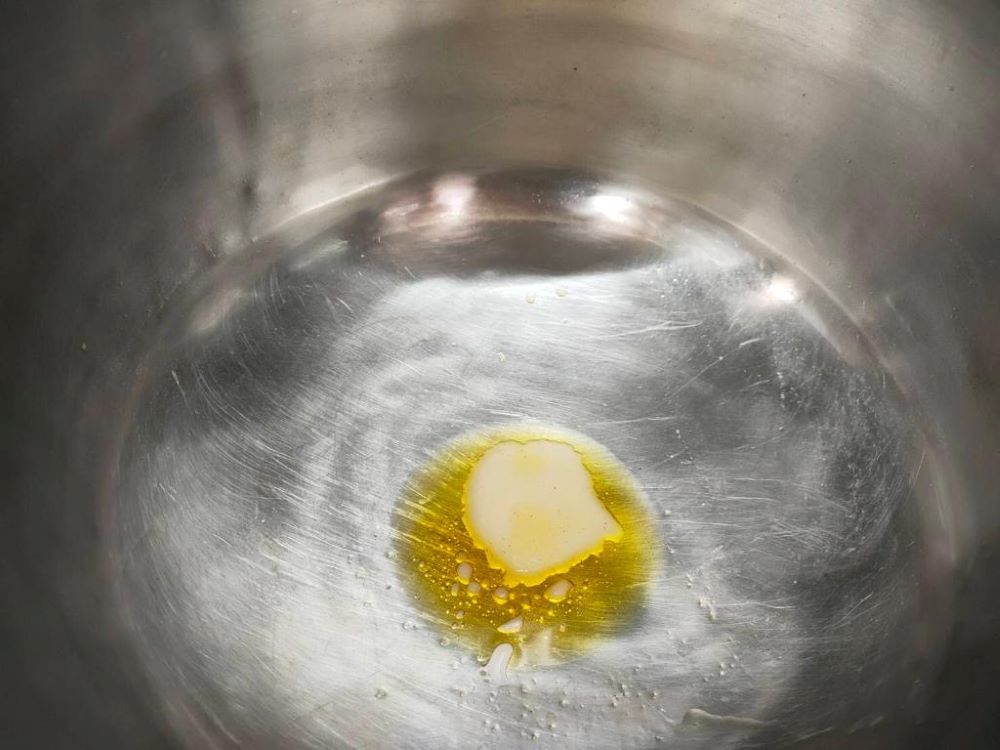
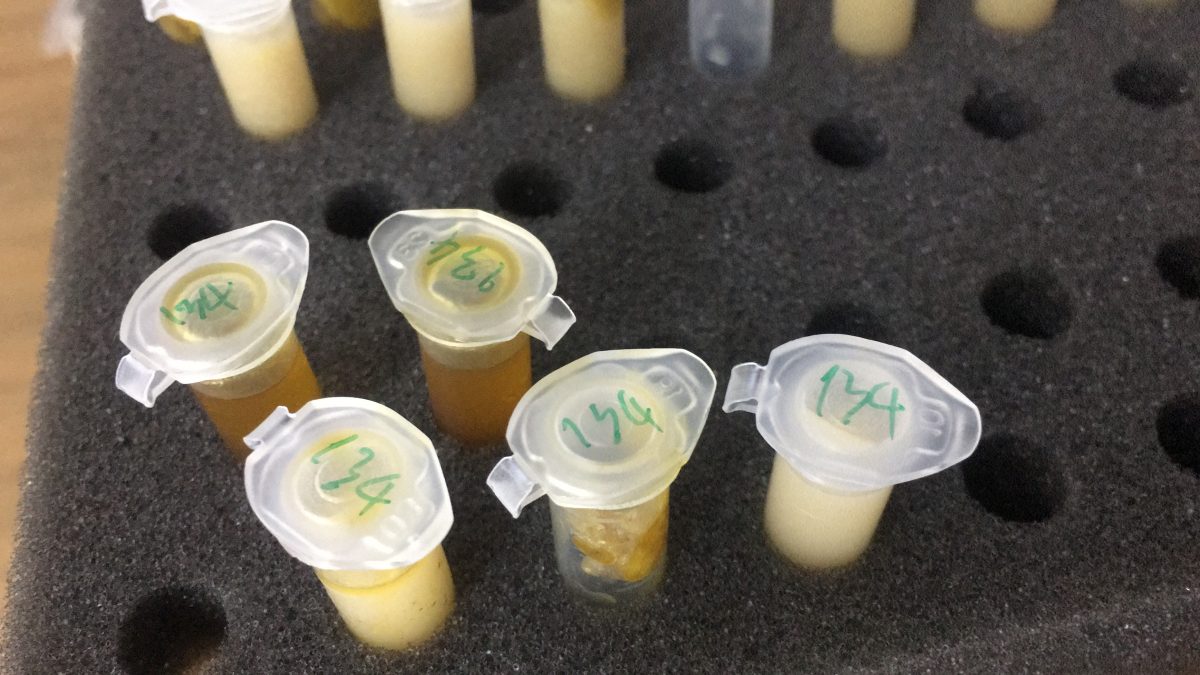
“Another key benefit of this machine is its mobility,” adds Dr. Aluck. “The extractor can be transported and placed at orchards to perform extraction on-site, eliminating the need to transport fresh produce, whose quality deteriorates over time. With fresh materials, the extracts obtained are of higher quality and quantity. This innovation also addresses market overflow of flowers and reduces the carbon footprint from transporting fresh flowers”.
Every year, Thailand imports essential oil extraction machines, costing tens of millions of THB per unit without knowledge transfer to Thai enterprises. “By developing this mobile extractor locally, we not only save import costs but also gain all the know-how, including machine manufacturing, process designs, solvent selection and extraction conditions for different plants, and equipment maintenance. This knowledge can be transferred to Thai industries, enhancing their competitiveness in the global market,” concludes Dr. Aluck.
This innovation has garnered multiple national and international awards, including an invention award in the engineering and industrial research category at the Thailand Inventors’ Day 2024, organized by the National Research Council of Thailand (NRCT).