

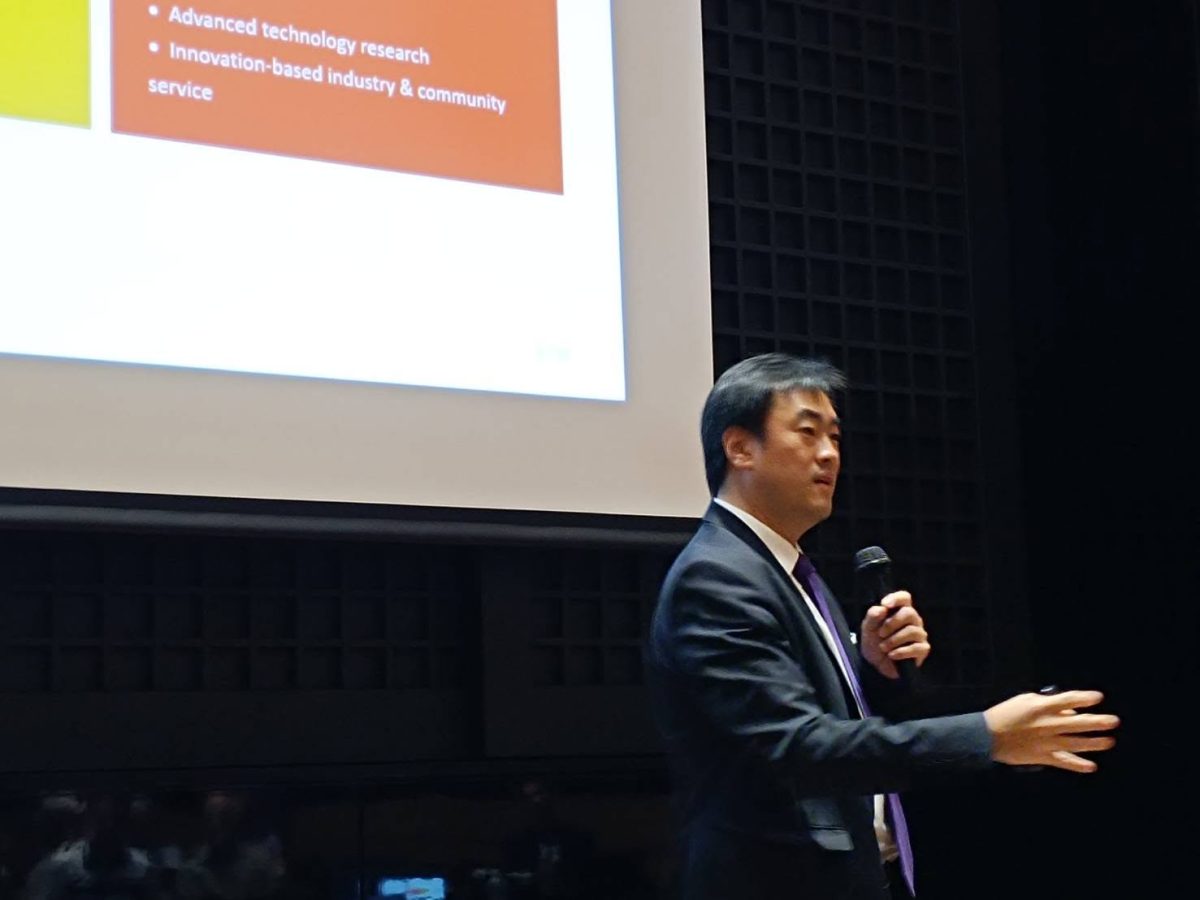
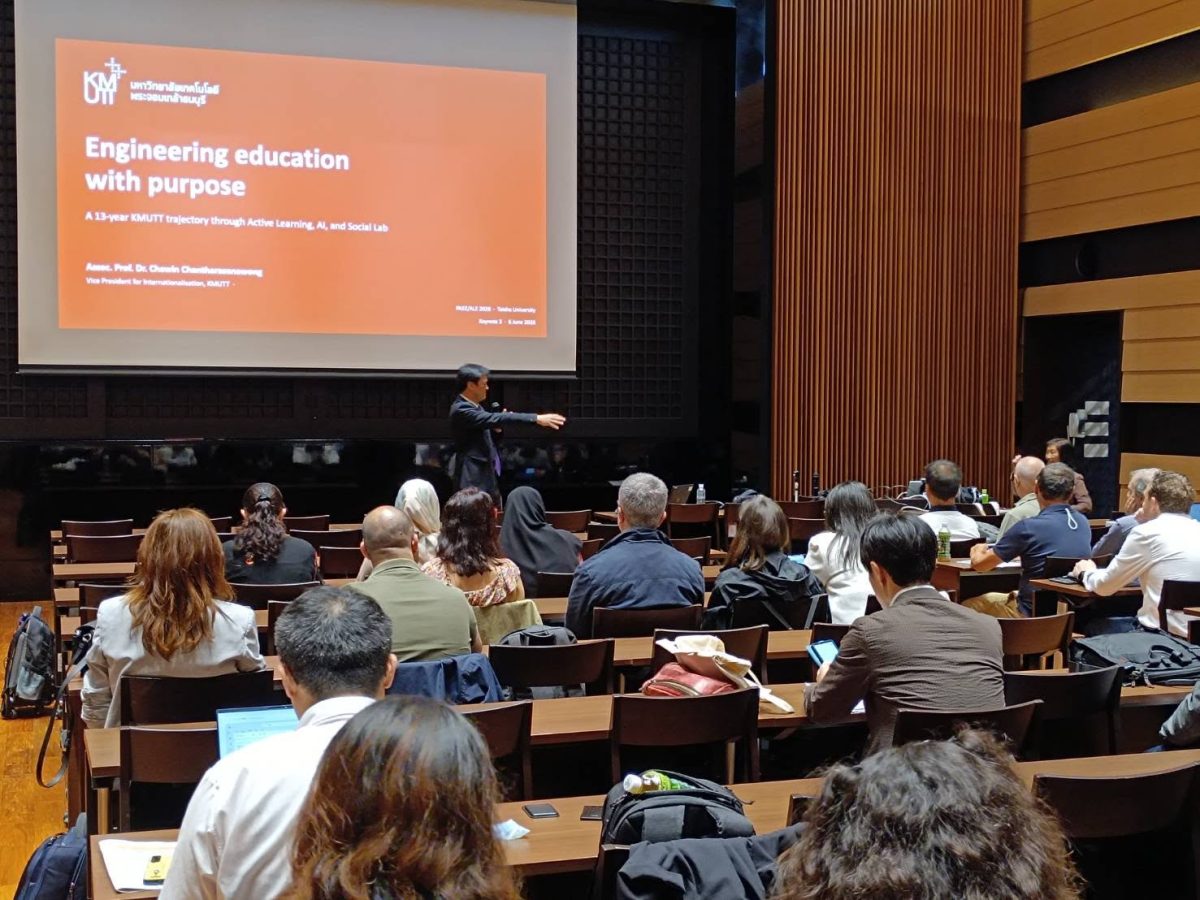
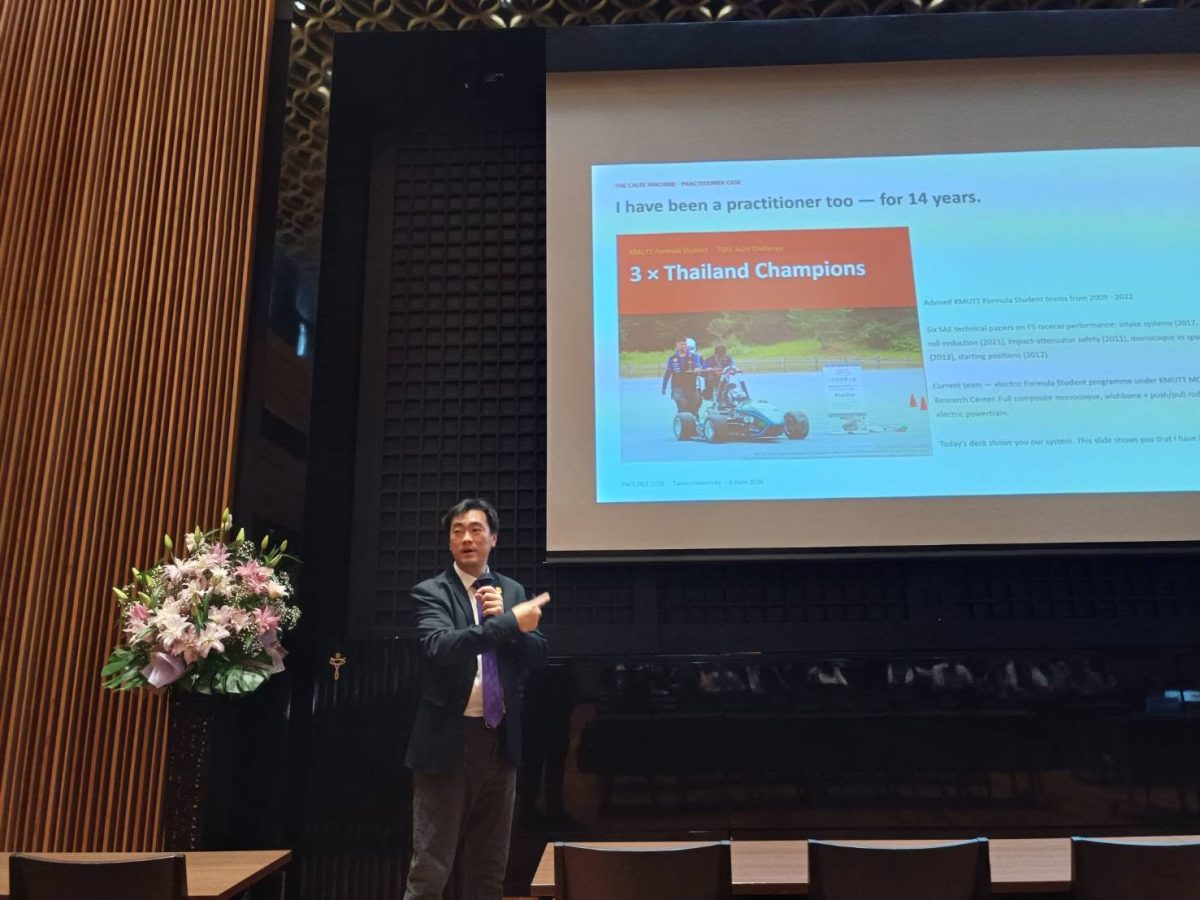
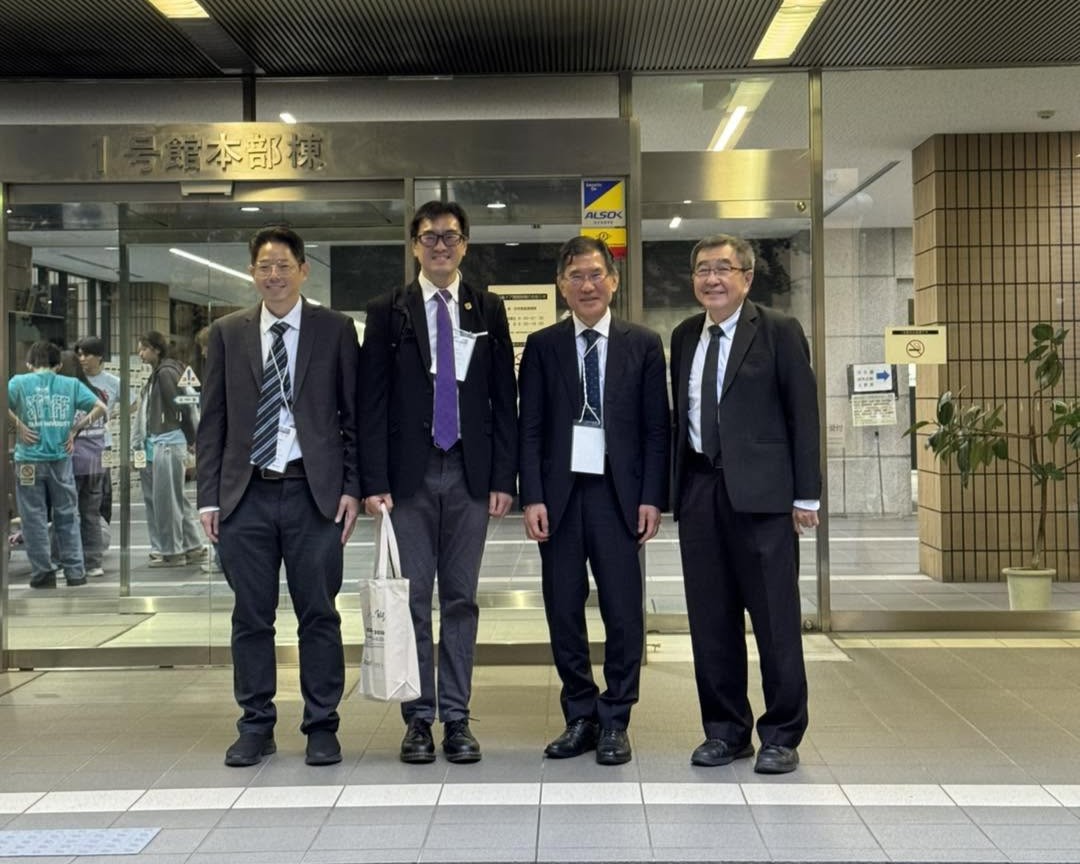
On June 6, 2026, at Taisho University in Tokyo, Japan, Assoc. Prof. Dr. Chawin Chantharasenawong, Vice President for Internationalization and a faculty member in the Department of Mechanical Engineering, Faculty of Engineering, King Mongkut’s University of Technology Thonburi (KMUTT), was invited to deliver a keynote address at the International Conference on Active Learning and Project Approaches in Engineering Education “PAEE/ALE’ 2026”. The conference brought together academic networks and educators from around the world, including Japan, Brazil, Portugal, the Netherlands, Colombia, Mexico, and South Korea. In his keynote presentation, titled “Engineering Education with Purpose”, he shared KMUTT’s vision and framework for transforming engineering education on this prestigious international stage.
KMUTT’s transition toward Active Learning, artificial intelligence (AI), and social innovation is a strategic response to global disruption. Guided by a 13-year roadmap launched in 2017, the university continues to advance toward its 2030 goals. Today, Active Learning has been fully integrated into regular teaching and learning practices, encompassing more than 20% of all engineering courses. In 2018, the Centre for Active Learning in Engineering Education (CALEE) was established to ensure the standardized implementation of Active Learning across the Faculty of Engineering. Its initiatives include cross-departmental peer teaching observations, standardized assessment criteria, and dedicated financial support for educational development. Furthermore, the university promotes learning and initiatives that generate positive community and societal impact through its “Social Lab” framework. Notable examples include the Bang Mod Electric Boat Project, developed in collaboration with the Embassy of the Netherlands and the Bangkok Metropolitan Administration (BMA), and the Engineering Student Volunteer Project, a flagship initiative that KMUTT has sustained for more than 19 years. As the world enters an era of advanced technology and AI-augmented engineering, KMUTT equips first-year students with foundational AI literacy through a dedicated module designed to develop future-ready skills and promote the responsible and effective use of AI. Students also gain hands-on innovation experience through the Innovation Exchange (INNO-X) maker space.
The preparation of the data and presentation materials was strongly supported by the CALEE team, led by Assoc. Prof. Dr. Surawut Chuangchote, Associate Dean for Academic Affairs of the Faculty of Engineering, together with Mr. Chotthanin P. Wutthidejsiriwat and Mr. Yutthakan Chummongkhon, Educational Developers. They played a vital role in collecting, analyzing, and presenting data on KMUTT’s Active Learning initiatives and engineering education development for this international forum.
PAEE/ALE 2026 serves as an international platform for knowledge exchange and the advancement of engineering education. The conference is a joint initiative of two major global networks: the International Symposium on Project Approaches in Engineering Education (PAEE) and the Active Learning in Engineering Education Workshop (ALE). Having collaborated for more than 11 years, these communities continue to promote Active Learning, Problem- and Project-Based Learning (PBL), student-centered education, and international cooperation in engineering education. The conference was held from June 4–6, 2026.